In basketball, the shoe is not a style accessory, or at least not only. It is the number one piece of protective equipment in a sport built on jumps, landings in traffic and violent changes of direction. Yet the basketball shoes aisle has become a jungle of €180 signature models and technical promises. Here are the criteria that genuinely matter, the high tops versus low tops debate finally settled by science, and some honest budgets.
High tops or low tops, the debate finally cleared up
For decades the locker room dogma said: high collar equals protected ankle. Biomechanics research has added nuance: support comes above all from the overall stability of the shoe, the heel seat, the torsional rigidity, the width of the sole, far more than from collar height. The current benchmarks used by manufacturers and sports physiotherapists:
– High tops: a feeling of support and heightened proprioception. Reassuring for post players and for ankles that are already fragile.
– Mid: the compromise that equips the majority of players.
– Low tops: freedom and speed for quick perimeter players, provided the ankle has been reinforced by physical work.
Real protection is built in training, through proprioception and strengthening: the shoe supports, it does not replace.
The five criteria that count when you try them on
1. Heel lockdown, the king of criteria: heel pinned down, no vertical slippage at all. That is what prevents a sprain, not the logo.
2. Cushioning: generous for bigger frames and aerial players, firmer and more responsive for guards who want feedback from the floor.
3. Lateral stability: a wide sole with outer flares to absorb violent plant steps.
4. Grip: soft rubber with a fine herringbone pattern for hardwood. A grip that squeaks on a clean floor is a good sign.
5. Weight: under 400 grams for quick wings, comfort first for post players.
Try shoes on at the end of the day, with your game socks, and simulate: side steps, a small jump, a hard stop right there in the aisle. Own it, shop assistants are used to basketball players.
Indoor, playground: why two pairs beat one
Asphalt devours indoor soles: three playground sessions are enough to smooth a hardwood rubber and turn it into an ice rink as soon as there is dust about. Players who live in both worlds therefore keep them separate: one hardwood pair kept for the sports hall, which holds its grip for months, and one outdoor pair with reinforced rubber for the summer. On budget, the truth teenagers hate to hear: between €70 and €110 you find excellent playing shoes. Above that, you are mostly paying for the hype of a signature model, rarely for a real gain in protection.
The shoe is not everything: the ankle protocol
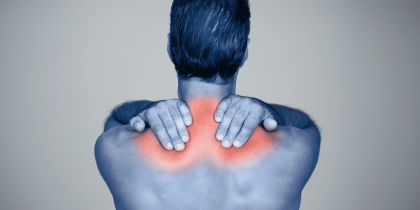
Back to the statistic that justifies this whole article: the ankle sprain remains the number one basketball injury, often when landing on an opponent’s foot at the rebound, something no collar prevents. Studies converge on a winning trio: a suitable shoe, regular proprioceptive work, five minutes of balance per session is enough, and an ankle brace or tape for ankles with a history. A word on the rulebook while we are here: playing also means knowing the framework, and our guide to the basketball rules saves plenty of pointless fouls in the traffic of the paint.
Then comes the fourth pillar, the one discovered too late: cover. The federation licence caps out quickly on actual costs, and a serious sprain means six weeks of physiotherapy and sometimes time off work. A personal accident insurance for basketball policy takes over at exactly that point: regular players pack it alongside the ankle brace, and statistically they are right. Two minutes on an online quotation are enough to know where you stand before the season starts.
Maintaining grip, the sports hall players’ trick
One last piece of locker room knowledge: a sole that slips is not always dead, it is often just dirty. The regulars’ ritual before every game: a damp sole wiped on a towel, or a wet palm run under the shoe between two plays, the gesture you see the pros make. At home, washing the rubber with lukewarm water and a soft brush brings a clogged grip back to life. And keep your pairs out of the car boot: heat cooks cushioning foams faster than any number of hardwood miles.
Choosing your basketball shoes
| Criterion | What it brings | Who for |
|---|---|---|
| High collar | Ankle support | Post players, history of sprains |
| Low collar | Lightness and freedom | Fast perimeter players |
| Cushioning | Absorbs landings | Everyone, especially on hard floors |
| Sole and grip | Plant steps and changes of direction | Everyone |
| Fit width | Comfort and no blisters | Match it to your own foot |
Try them the way you play, buy them the way you are
The right pair reveals itself in thirty seconds of basketball movement: the heel does not move a millimetre, the toes have room, the lateral plant step feels safe. It disappears from your foot, and only the game is left. Whether you are a playground point guard or a regional league centre, your pair exists between €70 and €110: the rest of the difference is what you make on the rebound.